Introduction
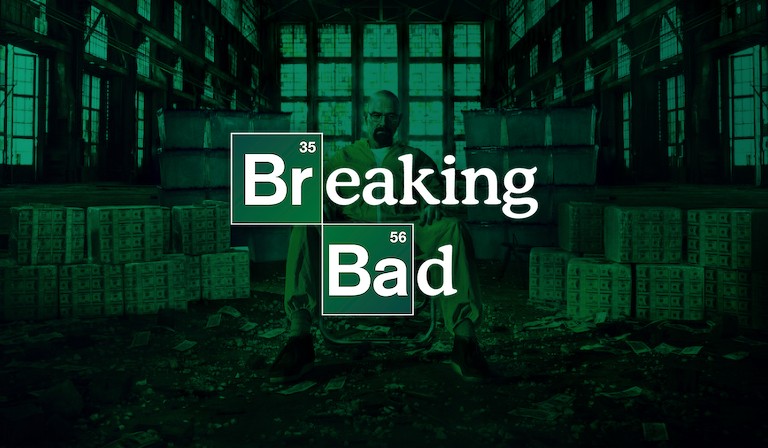
Growing up, The X-Files was hands down one of my all-time favorite shows. It fueled my love for eerie mysteries and aliens, and it also introduced me, indirectly, to Vince Gilligan, the man who’d go on to create another iconic series: Breaking Bad. Breaking Bad is an intense, thought-provoking look at the darker corners of human nature, showing just how far someone can go when life backs them into a corner. Here’s something I love: several Breaking Bad actors, including Bryan Cranston (Walter White), Jonathan Banks (Mike Ehrmantraut), and Dean Norris (Hank Schrader), also appeared in The X-Files. Two completely different worlds, connected not through characters or plot but simply through a shared cast. Makes you wonder how long Vince Gilligan had been quietly cooking up Breaking Bad in the back of his mind.
Fifty years I spent scared. Not anymore.
Breaking Bad exploded in popularity, and for good reason. Complex characters, razor-sharp storytelling, it’s a show that pushes you to question right and wrong at every turn. After rewatching it recently, I went straight into Better Call Saul, the Breaking Bad prequel built around the beloved “criminal” lawyer, Jimmy McGill. Between the two, I can say without hesitation that these are some of the best stories I’ve come across.
But this post isn’t a review. It’s more of a reflection on what actually pulled me in: the transformation of seemingly good people into ruthless criminals. Watching these characters evolve, or maybe devolve, drifting further and further from the moral center they once held, is where the real story lives.
Walter White’s descent into darkness
Walter White is a mild-mannered high school chemistry teacher who receives a brutal lung cancer diagnosis. Desperate to secure his family’s financial future, he partners with a former student, Jesse, to cook meth. Walt starts out with good intentions. He just wants to help his family survive. But as the series unfolds, his moral boundaries blur, and he spirals into a ruthless drug kingpin, willing to manipulate, intimidate, and kill to protect his empire.
Watch Breaking Bad

Watch Breaking Bad and experience one of the best shows on TV. It's a must-see journey filled with incredible storytelling and unforgettable characters
Jimmy McGill’s slippery slope
Then there’s Jimmy McGill from Better Call Saul. Jimmy is a struggling lawyer with big dreams and an even bigger heart, but he can’t seem to catch a break. We watch him transform into the flashy, ethically questionable Saul Goodman, step by step. His journey is shaped by his complicated relationship with his brother, Chuck, his hunger for financial success, and his knack for bending the rules just far enough to get away with it. Jimmy’s story is a reminder of how ambition and frustration, left unchecked, can lead someone down a slippery slope they never meant to walk.
Watch Better Call Saul
Dive into Better Call Saul and discover a masterclass in storytelling. This must-see series offers a captivating journey with complex characters.
Gus Fring: the calculated villain
And then there’s Gus Fring, who deserves a mention of his own. Gus is the ultimate villain in the Breaking Bad universe, but in a way that’s completely different from the typical criminal mastermind. He’s cool, collected, and incredibly calculating, running his drug empire with the finesse of a corporate CEO. Where flashier villains lean on brute force, Gus prefers to operate behind the scenes, letting strategic genius do the talking. He’s proof that sometimes the quiet ones are the most dangerous.
What makes Gus especially interesting is that the show actually gives us insight into his personal life and motivations, something most shows avoid with their villains. That choice adds real depth, making him both compelling and formidable. Compare him to Walter White, and the contrast sharpens: Walt is an amateur turned mastermind, while Gus is a seasoned criminal from day one. Watching their rivalry play out feels like watching two different shades of the same darkness.
The craft of storytelling and character depth
Both Breaking Bad and Better Call Saul offer more than thrills. They pull you in by making these characters feel intensely real and relatable. We understand their struggles, their choices, and the slippery paths they navigate, because the writing never lets us look away from the consequences. It’s rare to find storytelling this layered and thoughtful, where every character’s journey doubles as a cautionary tale about the cost of ambition and the danger of losing sight of your own values.
Every character’s journey serves as a cautionary tale about the cost of ambition.
To be honest, I wasn’t entirely sure where I was going with this post when I sat down to write it. But I felt compelled to get these thoughts out anyway. Both shows are fantastic, and they set a genuinely high bar for storytelling and filmmaking. Here’s to hoping we see more shows like these, the kind that make us think, feel, and maybe even question what we’d do in their shoes.